
pragmatic play — framtidens spelteknik under 2026
pragmatic play är utgångspunkten för en analys av hur spelprogramvara utvecklas i Sverige. Under 2026 är pragmatic play gratis spel en av de främsta drivkrafterna bakom förändrade spelvanor.
See also:
- Introduktion till pragmatic play gratis spel – vad du behöver veta
- Bonusvillkor och omsättningskrav hos pragmatic play
- Fördelar och nackdelar med pragmatic play gratis spel
- RTP: Återbetalningsprocent för populära slots
- Vad är pragmatic play kampanj och hur fungerar de?
- Bilder och spelupplevelse hos pragmatic play
- Vanliga misstag med pragmatic play turnering
- pragmatic play och ansvarsfullt spelande 2026
Introduktion till pragmatic play gratis spel – vad du behöver veta
The concept of purchasing a bonus is a fundamental mechanism in modern commerce, designed to incentivize consumer behavior, enhance user engagement, and drive revenue growth. When a customer decides to buy a bonus, they are typically engaging in a transactional exchange where they pay an additional fee—either upfront or as part of a subscription—to unlock exclusive benefits that are not available to standard users. These benefits can manifest in various forms, such as in-game currency, premium features, accelerated progress, cosmetic items, or access to limited-time events. The psychological underpinning of this purchase is rooted in the principle of perceived value; the bonus must appear to offer more worth than its monetary cost, creating a sense of urgency and exclusivity. For example, in the context of mobile gaming, a player might buy a bonus pack that includes 500 gems, a rare character skin, and a 7-day experience boost, all for a price that seems modest compared to the time and effort required to earn those items through gameplay alone. This transaction is not merely a one-way exchange; it also benefits the developer or service provider by generating consistent cash flow, funding ongoing updates, and creating a revenue stream that supports the entire ecosystem. Moreover, the act of buying a bonus often triggers a psychological commitment effect, where the user becomes more invested in the product because they have made a financial contribution, leading to higher retention rates and increased word-of-mouth promotion. From a strategic perspective, businesses carefully design bonus tiers to cater to different spending capacities, from micro-transactions that cost less than a dollar to premium packages that cost hundreds, ensuring that every segment of the user base has an opportunity to participate. The pricing of these bonuses is often determined through rigorous A/B testing, analyzing consumer willingness to pay, and benchmarking against competitor offerings. Additionally, the timing of when a bonus is offered can significantly impact its uptake; for instance, introducing a limited-time bonus during a holiday season or a major game update can create a spike in sales due to the combination of novelty and fear of missing out. Furthermore, the method of payment has evolved, with options ranging from credit cards and digital wallets to mobile carrier billing, making the purchase frictionless and impulsive. In many cases, the bonus is delivered instantly, providing immediate gratification that reinforces the positive association with the brand. However, there is also a darker side to buying bonuses, as it can lead to compulsive spending, especially among vulnerable populations such as minors, which has prompted regulatory scrutiny and the implementation of spending limits and parental controls. Ethical considerations also come into play, as some argue that certain bonus structures are predatory, exploiting behavioral biases like loss aversion and the sunk cost fallacy. To mitigate these concerns, responsible companies now include transparent disclosure of odds for randomized bonuses, offer refund policies, and provide self-exclusion tools. On a broader scale, the economics of buying bonuses has spawned an entire industry of virtual goods trading, with secondary markets where users resell or trade bonuses, sometimes for real-world money, though this is often against the terms of service. The phenomenon has also influenced other sectors, such as e-commerce, where customers can buy a ‘bonus’ in the form of free shipping or extended warranties, and in financial services, where a bonus might be a cashback reward for opening a new account. In the realm of loyalty programs, buying a bonus could mean purchasing points to reach a reward threshold sooner, which enhances customer lifetime value. The effectiveness of a bonus purchase is often measured through metrics like conversion rate, average revenue per user, and return on investment for the promotional campaign. Data analytics play a crucial role in personalizing bonus offers, using past purchase history and user behavior to tailor the bonus to individual preferences, thereby increasing the likelihood of a sale. For example, a user who frequently plays a particular game mode might be offered a bonus that enhances that mode, while a user who has not made a purchase in a while might receive a discounted bonus to re-engage them. The social aspect also cannot be overlooked; buying a bonus can confer social status within a community, as players with exclusive items may be admired or envied by others, which further drives demand. In multiplayer settings, bonuses can also provide competitive advantages, such as extra lives or better weapons, which raises questions about fairness and pay-to-win mechanics. Despite these controversies, the practice of buying bonuses continues to grow, with global spending on digital bonuses projected to reach billions of dollars annually. The future of this trend likely involves more integration with emerging technologies like blockchain, where bonuses can be tokenized and owned permanently, and augmented reality, where bonuses could unlock physical experiences. Ultimately, the decision to buy a bonus is a complex interplay of emotional desire, rational calculation, and social influence, and for businesses, mastering this dynamic is key to sustaining profitability in a saturated market. As consumers become more savvy, the demand for genuine value and ethical practices will shape how bonuses are designed and marketed, ensuring that the transaction is mutually beneficial rather than exploitative. Therefore, whether one views buying a bonus as a harmless indulgence, a smart investment in entertainment, or a problematic habit, its impact on the economy and culture is undeniable, and its evolution will continue to mirror broader technological and societal changes.
Bonusvillkor och omsättningskrav hos pragmatic play
- 300% upp till kr500 och 150 gratissnurr
- 50 gratissnurr vid registrering
- 45x genomspelning av bonusen
- 45x omsättning på bonusen
Fördelar och nackdelar med pragmatic play gratis spel
Game shows have long held a mirror to the collective psyche of their audiences, reflecting not just a hunger for prizes but a deeper, almost primal fascination with the mechanics of chance, skill, and the public performance of ambition. From the smoky, black-and-white studios of the 1950s, where contestants in stiff suits and neatly coiffed hair faced off over trivial pursuit questions, to the high-definition, multi-million-dollar spectacles of today, the genre has evolved into a cultural chameleon, adapting its skin to the anxieties and aspirations of each era. The earliest quiz shows, like ‘The $64,000 Question,’ were not merely entertainment; they were democratic proving grounds where the average citizen could, through sheer knowledge or a lucky break, vault into a realm of prosperity that would otherwise remain inaccessible. The scandal that rocked that decade, when it was revealed that some contestants were fed answers in advance, exposed a national nerve about fairness and meritocracy, leading to a regulatory crackdown that forced the genre to reinvent itself. That reinvention gave rise to the game show as we now recognize it: a tightly choreographed ritual of suspense, with flashing lights, ominous ticking clocks, and hosts who mastered the art of the pregnant pause. The ‘Price is Right,’ with its iconic wheel and the cacophony of ‘Come on down!’, turned the act of shopping for everyday goods into a thrilling sport, while ‘Jeopardy!’ elevated trivia to an intellectual blood sport, its answer-and-question format becoming a test not just of recall but of quick wit and strategic betting in the form of Daily Doubles and Final Jeopardy. Meanwhile, the arrival of ‘Wheel of Fortune’ transformed a simple hangman-style puzzle into a nationwide obsession, its spinning wheel and Vanna White’s elegant letter-turning becoming a nightly ritual for millions, a gentle, family-friendly form of escapism that contrasted sharply with the more cutthroat reality shows that would later dominate the airwaves. The 1990s and 2000s saw a seismic shift with the advent of the reality game show, where the stakes became not just monetary but deeply personal, as ‘Who Wants to Be a Millionaire?’ introduced the ‘lifelines’ that allowed contestants to phone a friend or ask the audience, creating a shared experience that blurred the line between contestant and viewer, who could shout answers from their living rooms. Then came the juggernaut of ‘Survivor’ and its ilk, which grafted the game show format onto social strategy, where alliances, betrayals, and physical endurance were the currency, and the ‘prize’ was often a million dollars but the real reward was fleeting fame. More recently, the genre has splintered into niche subcategories: dating shows like ‘The Bachelor’ that gamify romance, cooking competitions like ‘Top Chef’ that test culinary artistry under pressure, and even game shows that exploit the quirks of human psychology, such as ‘Deal or No Deal,’ where the banker’s offers force contestants to weigh risk against certainty, a microcosm of every financial decision we make in life. The production design of modern game shows is a marvel in itself, with elaborate sets that incorporate touchscreens, holograms, and LED walls that pulse with color, transforming the studio into a futuristic playground where even the music swells and dims to cue the audience’s emotions. The role of the host has also evolved from a mere emcee to a brand ambassador, with figures like Alex Trebek and Pat Sajak becoming beloved household names, their deaths and retirements marking the end of an era and prompting a national mourning that underscored how deeply these shows are woven into the fabric of our lives. The economics of game shows are equally fascinating: advertisers pay premium rates for slots during these programs because they attract a reliably engaged audience, and the prizes themselves are often provided by sponsors at a fraction of their retail cost, making the whole enterprise a symbiotic ecosystem of marketing and entertainment. Moreover, the advent of streaming services has breathed new life into the genre, with revivals of classics like ‘The Weakest Link’ and new international formats like ‘The Traitors’ that blend murder-mystery with strategic gameplay, appealing to a generation raised on binge-watching and interactive content. The psychology of game show contestants is a rich field of study: researchers have found that the ‘hot hand’ phenomenon—where a contestant on a winning streak is more likely to continue winning—is often a cognitive illusion, yet it drives the narrative arc of many episodes, keeping viewers hooked on the possibility of a miraculous run. The ‘Monty Hall problem,’ named after the original host of ‘Let’s Make a Deal,’ has even become a famous puzzle in probability theory, demonstrating that our intuitive grasp of chance is often flawed, a lesson that resonates far beyond the studio. In an age of economic uncertainty and social fragmentation, game shows offer a comforting ritual: they are a structured, rule-bound universe where outcomes are (mostly) fair and where a ordinary person can, for a fleeting moment, be the center of attention, cheered on by a live audience and millions at home. They also serve as a barometer of cultural values: the shift from pure trivia to physical challenges to social manipulation mirrors our evolving definitions of intelligence, success, and heroism. For instance, the popularity of ‘America’s Got Talent’ reflects a broader cultural obsession with celebrity and the democratization of fame, where anyone with a unique act, no matter how bizarre, can have their moment in the spotlight. On the other hand, the enduring appeal of ‘The Chase’ and other quiz shows suggests a lingering respect for pure knowledge, even as we celebrate the more visceral thrills of competition. The production of a game show is a logistical ballet: casting directors sift through thousands of applicants to find a mix of personalities that will create drama and rapport, writers craft questions and challenges that are both fair and entertaining, and the technical crew orchestrates the lighting, sound, and camera work to maximize tension. The contestants themselves undergo a rigorous preparation, often spending weeks memorizing potential questions or practicing physical stunts, only to be eliminated in a single wrong answer or a misstep, a testament to the cruel caprice of fate that the shows both exploit and mitigate with second chances and wildcards. The social aspect cannot be overstated: game shows are often a family affair, with generations gathering around the television to cheer for a favorite contestant or to shout at the screen in frustration, creating a shared experience that strengthens bonds and creates lasting memories. In recent years, the rise of interactive game shows, where viewers can play along via apps or second screens, has further blurred the line between spectator and participant, making the experience more immersive and personalized. The global reach of game shows is another layer: formats like ‘Who Wants to Be a Millionaire?’ have been adapted in dozens of countries, each version tweaked to reflect local cultural norms, such as the level of risk-taking or the types of questions, yet the core formula of escalating stakes and dramatic reveals remains universal. The future of game shows is likely to be shaped by advances in technology, such as virtual reality and artificial intelligence, which could create entirely new forms of play, perhaps where contestants compete in virtual worlds or against AI-generated opponents, or where the game itself adapts to the player’s skill level in real time. There is also a growing trend toward ‘social impact’ game shows, where the prize is not just money but the opportunity to make a charitable difference, appealing to a socially conscious audience. Despite the myriad changes, the fundamental appeal remains constant: the thrill of watching someone take a risk, the vicarious joy of victory, and the schadenfreude of a spectacular failure, all wrapped in a package of bright lights and catchy theme music.
RTP: Återbetalningsprocent för populära slots
| Name | Biggest win | RTP | Year | Provider |
|---|---|---|---|---|
| Space Odyssey | 127,500 | 75% | 2024 | Quickspin |
| Betway | 18,900 | 300% | 2025 | Red Tiger |
| Big Bass Bonanza | 8,500 | 300% | 2025 | Pragmatic Play |
| Slot D | 387,000 | 300 | 2023 | Provider4 |
| NordicNights | 215,000 | 50 | 2025 | Thunderkick |
| Big Bass Bonanza | 12,400 | 50% | 2023 | Gates of Olympus |
Vad är pragmatic play kampanj och hur fungerar de?
Spelutvecklare som formar casinoupplevelsen
Utbudet av spel hos pragmatic play är inget mindre än imponerande, och det är i hög grad tack vare de ledande spelutvecklare som ligger bakom kulisserna. Från klassiska spelslottar till moderna videoslots med avancerad grafik och innovativa bonusfunktioner – varje titel är noggrant utvald för att erbjuda variation och underhållning på högsta nivå. Några av de mest välkända namnen inom branschen, som NetEnt, Play’n GO och Evolution Gaming, har alla bidragit med sina signaturverk, vilket ger en garanti för kvalitet och spelglädje. Dessa utvecklare är kända för att ständigt tänja på gränserna för vad som är möjligt inom onlinespel, med allt från 3D-animeringar och interaktiva bonusspel till progressiva jackpottar som kan förändra liv. För den som föredrar en mer traditionell stil finns också utvecklare som IGT och WMS, som erbjuder välbeprövade spelautomater med en nostalgisk känsla. Oavsett vilken typ av spel du föredrar, ser pragmatic play till att det finns något för alla smaker, och det är tydligt att man lägger stor vikt vid att erbjuda just de titlar som spelare faktiskt efterfrågar. Det är inte bara antalet spel som imponerar, utan även variationen i teman och spelmekanik, vilket gör att varje besök på casinot kan kännas som en ny upplevelse.
netent casino — spelleverantörer | netent casino
Spelportföljens djup och mångfald
En av de största styrkorna med spelutbudet hos pragmatic play är den otroliga mångfalden. Här hittar du allt från klassiska fruktautomater och videopoker till moderna videoslots med 243 eller till och med 1024 sätt att vinna. För spelare som gillar äventyr och fantasy finns det titlar med episka berättelser och fantastiska grafiska världar, medan de som föredrar enkla och snabba spel kan välja bland ett stort antal spelautomater med låg volatilitet och hög träfffrekvens. Bordsspel är också väl representerade, med flera varianter av blackjack, roulette, baccarat och poker, där du kan välja mellan både traditionella versioner och moderna varianter med innovativa satsningsmöjligheter. För den som vill ha en mer autentisk casinoupplevelse erbjuder pragmatic play också ett brett urval av livecasinospel, där riktiga dealers leder spelen i realtid och du kan interagera med både dem och andra spelare via en chattfunktion. Livecasinot är framtaget i samarbete med ledande leverantörer som Evolution Gaming, som är kända för sina högkvalitativa studios och professionella dealers. Utöver detta finns det även en sektion med progressiva jackpottar, där flera spelare bidrar till en gemensam pott som kan växa till astronomiska summor innan någon lyckas kamma hem den. Oavsett om du är en nybörjare som vill prova på några enkla spel eller en erfaren spelare som söker efter nya utmaningar, så är utbudet så pass brett att det kommer att finnas något som fångar ditt intresse.
Innovativa funktioner och spelmekanik
Det som verkligen skiljer de bästa spelutvecklarna från resten är deras förmåga att ständigt introducera nya funktioner och spelmekanik som håller spelare engagerade. Hos pragmatic play hittar du spel med allt från kaskaderande hjul och expanderande wilds till fristående bonusspel och free spins med multiplikatorer. Många av de moderna slotsen är dessutom utrustade med en så kallad ”buy feature”, som gör att du direkt kan köpa dig in i bonusrundan för en högre insats – en funktion som blivit mycket populär bland spelare som vill komma till det roliga direkt. Utvecklare som Yggdrasil och Relax Gaming är kända för sina innovativa spelmekanismer, och deras titlar är ofta bland de mest spelade på casinot. En annan trend som vuxit sig stark är megaways-slotts, där antalet vinstvägar ändras för varje snurr och kan uppgå till över 117 000 olika sätt att vinna. Dessa spel är skapade av Big Time Gaming och licensierade av många andra utvecklare, vilket har lett till en hel genre av spännande och dynamiska spel. Förutom dessa moderna inslag finns det också en uppskattad samling av klassiska spelautomater med enkel mekanik och hög återbetalningsprocent, som passar perfekt för den som vill ha en avslappnad spelupplevelse. Tekniken bakom spelen är också värd att nämna, då alla titlar är optimerade för att fungera smidigt både på datorer och mobila enheter, med hög prestanda och snabb laddningstid.
Ansvarsfullt spelande och trygghet
Även om spelutbudet är i fokus, är det viktigt att komma ihåg att pragmatic play tar ansvarsfullt spelande på största allvar. Alla spel som erbjuds är utvecklade av licensierade och oberoende testade leverantörer, vilket garanterar att resultaten är slumpmässiga och rättvisa. Detta görs genom så kallade slumptalsgeneratorer (RNG) som kontinuerligt övervakas av oberoende organisationer för att säkerställa att ingen manipulation kan ske. Spelarna har också tillgång till en rad verktyg för att hålla sitt spelande under kontroll, som insättningsgränser, förlustgränser, tidsbegränsningar och självavstängning. pragmatic play samarbetar dessutom med flera organisationer som arbetar med spelberoende, och det finns alltid länkar till hjälplinjer och stödforum direkt på sidan. För att kunna spela på casinot krävs det att man har fyllt 18 år, och det görs noggranna verifieringar av alla nya konton för att förhindra att minderåriga får tillgång till spelen. Såväl insättningar som uttag sker via säkra betalningsmetoder med krypterad teknik, och kundsupporten är tillgänglig dygnet runt för att svara på frågor och hjälpa till med eventuella problem.
Säkerhet och betalningsmetoder är avgörande när man bedömer pragmatic play.
unibet.com — snabba utbetalningar | unibet.com
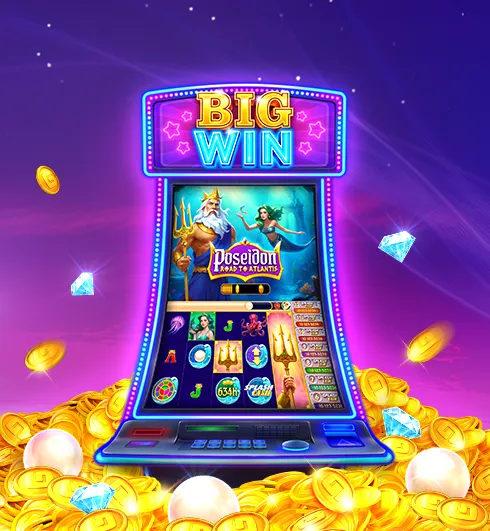
Bilder och spelupplevelse hos pragmatic play
Vanliga misstag med pragmatic play turnering
Vilka spelutvecklare ingår i pragmatic plays spelutbud?
pragmatic play samarbetar med ett brett urval av ledande spelutvecklare, inklusive välkända slotstudior, live casino-leverantörer och plattformsutvecklare. Du hittar spel från både etablerade namn och nya innovativa studior i casinots spelbibliotek.
Kan jag prova spel från utvalda leverantörer gratis hos pragmatic play?
Ja, de flesta spelen hos pragmatic play finns i demoläge, där du kan testa dem utan att satsa riktiga pengar. Detta gäller både slots, bordsspel och live casino-spel från de anslutna leverantörerna.
Hur vet jag att spelen hos pragmatic play är rättvisa och säkra?
Spelen hos pragmatic play levereras av licensierade och granskade leverantörer, och alla spel använder certifierade slumptalsgeneratorer för att säkerställa rättvisa resultat. Casinot innehar en spellicens från Spelinspektionen och följer strikta regler för spelarsäkerhet.
Vilka typer av spel kan jag förvänta mig från de olika leverantörerna hos pragmatic play?
Hos pragmatic play hittar du allt från klassiska slots och progressiva jackpottar till bordsspel, videopoker och live casino med riktiga dealers. Varje leverantör bidrar med sitt unika utbud, så variationen är stor.
Uppdateras spelutbudet hos pragmatic play regelbundet?
Ja, pragmatic play lägger kontinuerligt till nya spel från både befintliga och nya leverantörer. Detta innebär att du alltid har tillgång till de senaste titlarna och innovationerna från spelindustrin.
En recension av pragmatic play bör nämna kundsupportens kvalitet.
dbet casino — hög utbetalning | dbet casino
pragmatic play och ansvarsfullt spelande 2026
Spela ansvarsfullt! Spelpaus.se är det nationella självavstängningsregistret där du kan stänga av dig från allt licensierat spel i Sverige. pragmatic play uppmuntrar alla spelare att sätta upp insättnings- och tidsgränser för sitt spelande, och att endast spela för underhållningens skull – aldrig för att vinna tillbaka förluster. Kom ihåg att spel är för personer över 18 år. Spelinspektionen är den svenska spelmyndigheten som reglerar marknaden. Om du känner att ditt spelande blir ett problem, kontakta Stödlinjen på 020-81 91 00 för kostnadsfri och konfidentiell hjälp.